solutions

Payment Tokenization Service

Protect card data, cut fraud risk, and improve approval rates with Fenige’s Token Management Service.
Let’s Talk
payment tokenization services

What is Tokenization
by Fenige?

Fenige’s Token Management Service / Token Management System is a centralized platform that:

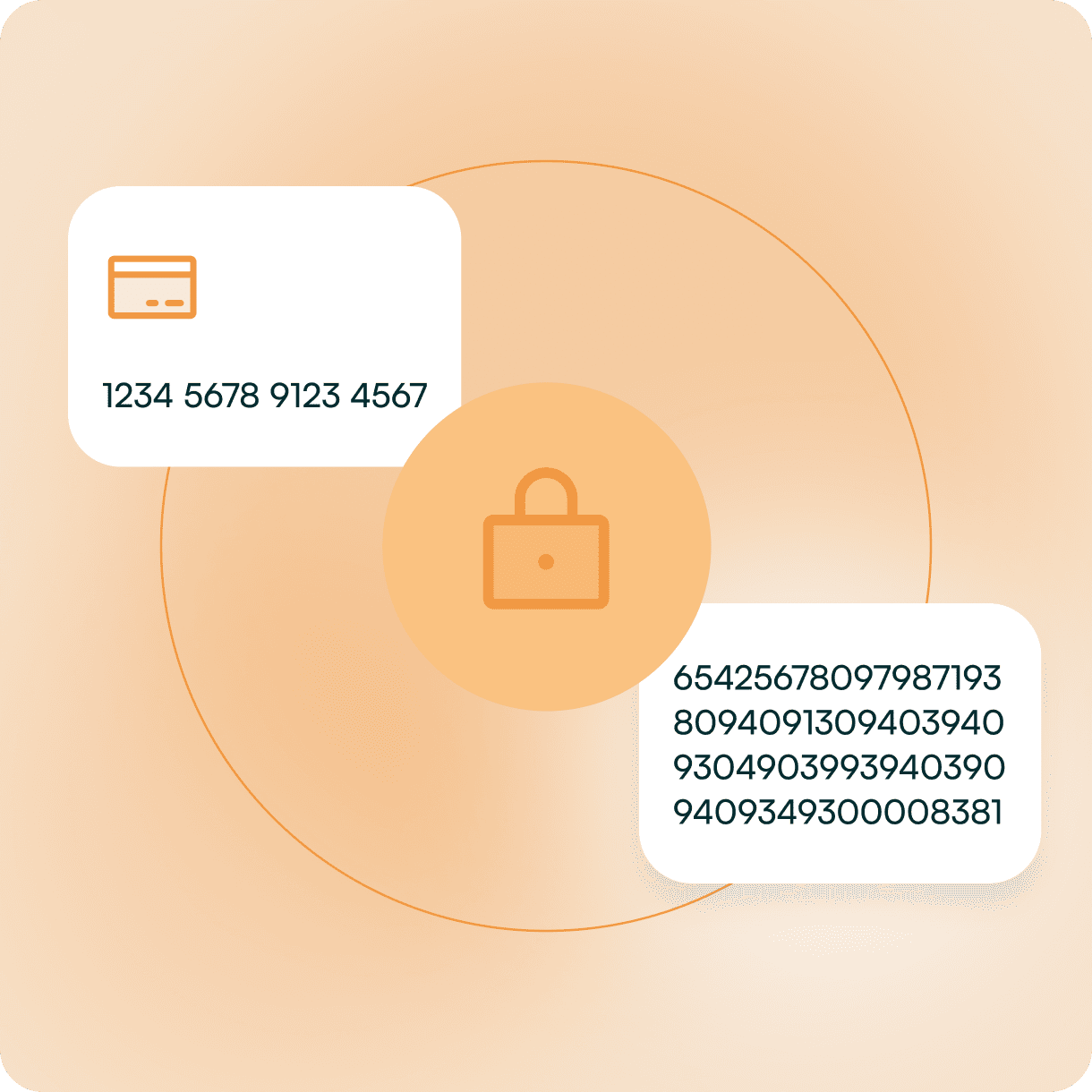
Issues unique tokens that stand in for card or payment data

Stores and authenticates those tokens for future payments

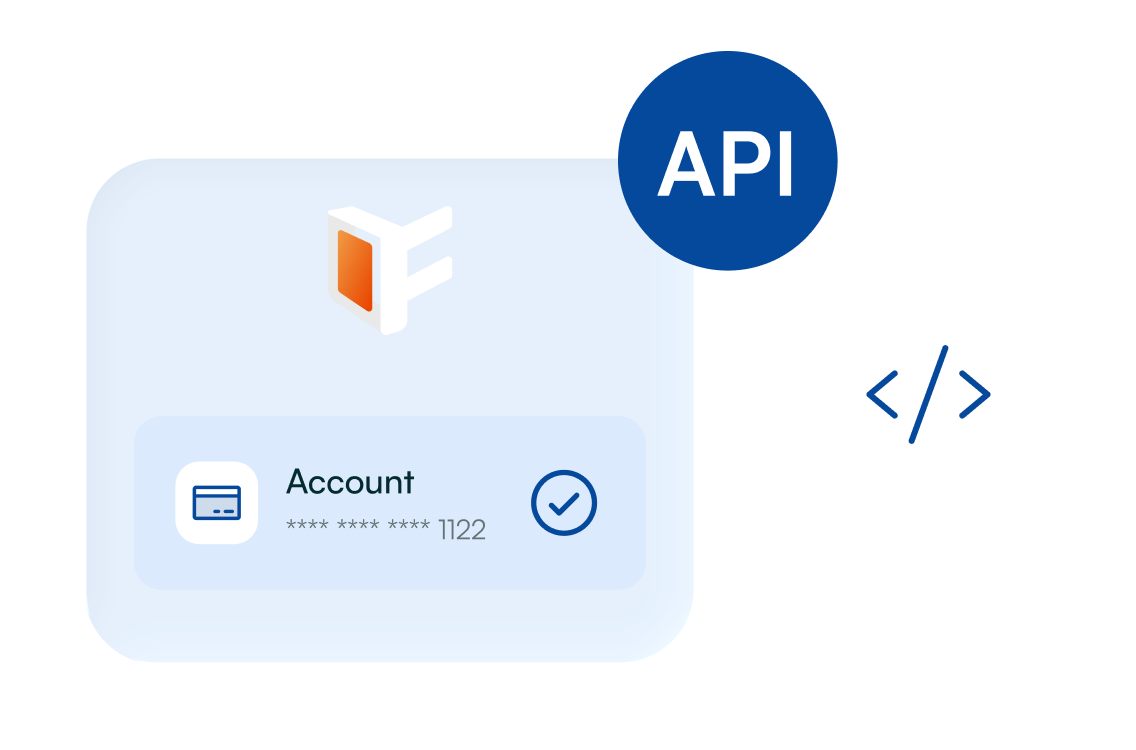
Exposes a tokenize API that supports the full tokenization process, allowing you to generate and manage tokens directly within your own payment flows.

Instead of sending or storing real card numbers, you use a token - a value that’s useless to attackers if intercepted and can’t be reverse-engineered into the original data. This approach forms the foundation of secure tokenized card payments without exposing real PAN data to merchant systems.
In Fenige’s e-commerce and P2P products, tokenization assigns a one-time token to each transaction and card, helping protect operations from fraud and increasing the acceptance rate by over 5%.

Who is it for?

E-commerce merchants & platforms

that want to store cards for one-click and recurring payments without holding PANs.

Payment facilitators / PSPs

managing many merchants and looking to centralise card-on-file storage securely.

Fintechs, wallets and apps

using card data across channels (web, mobile, in-app) and needing strong security plus good UX.

High-risk and high-volume businesses

where fraud pressure and PCI scope are serious pain points.
token payment online

Key benefits

Replace card data with secure tokens

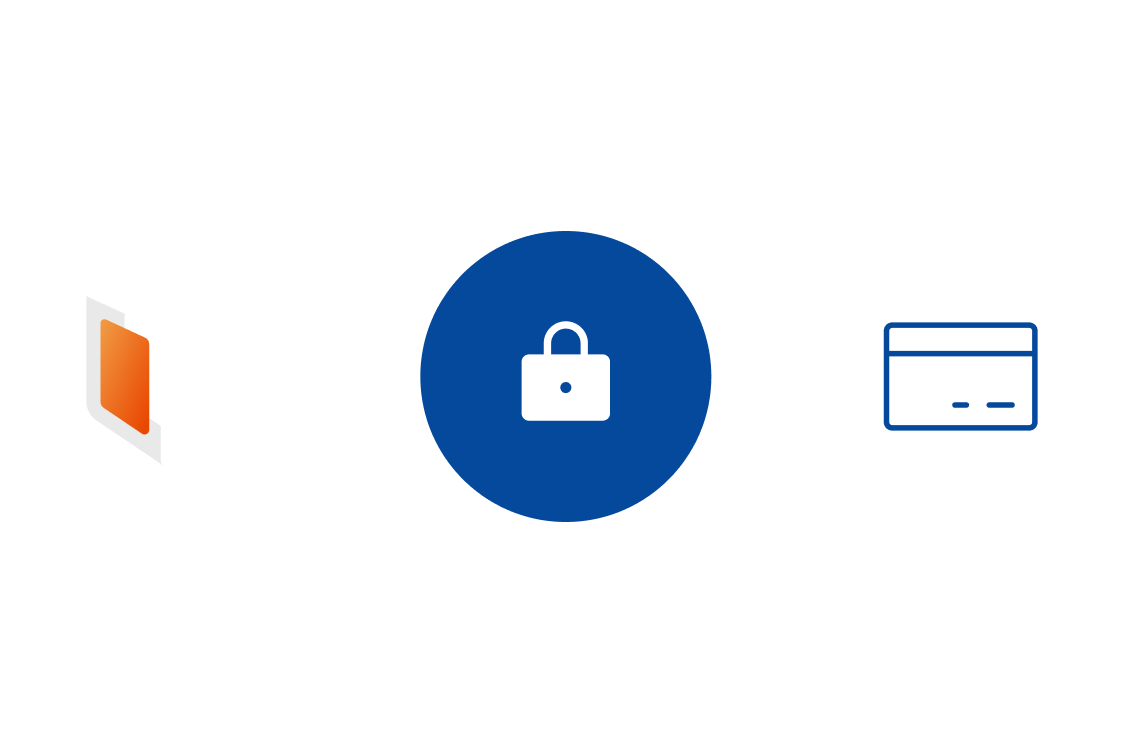
Tokenization swaps card numbers and other sensitive details for unique tokens. Even if someone intercepts a token, it’s useless outside of your authorised environment and TMS.

One-time tokens + better approval rates

Fenige’s Polish product pages describe a service that assigns a one-time token to each transaction and card, which both hardens security and increases the acceptance rate by more than 5%.

Safer card-on-file & recurring payments

Tokenization enables the use of a tokenized credit card for recurring payments and saved card features, allowing subscriptions without storing raw PANs.

Smaller PCI scope & easier compliance

By working with tokens instead of card numbers, you reduce how much of your infrastructure touches sensitive data. Fenige’s platform acts as a security token service, handling tokenization in line with PCI DSS requirements while retaining full control over payment logic.

Works across channels and methods

Fenige uses tokenization in multiple contexts - from standard card payments through e-commerce to mobile wallets such as Google Pay (where only an encrypted payment token, not the card number, is used).

How tokenization fits into your stack

Fenige payment tokenization services integrate seamlessly into your existing stack, allowing you to tokenize card data, store tokens securely, and reuse them across payment operations without exposing sensitive information.
  • 1

    Integrate with the tokenize API / TMS

    Your system calls Fenige’s tokenize API or Token Management Service when you first capture card data (e.g. at checkout or during card-on-file enrollment). The API returns a token representing that card.
  • 2

    Store tokens, not raw card numbers

    You save the token in your database and reference it in future transactions (one-click, recurring, refunds), while Fenige’s TMS safely maps tokens back to real data in its secure environment.
  • 3

    Use tokens in payment operations

    When you charge the customer again, you send the token instead of the PAN. Fenige authorises the payment, applies fraud and 3-D Secure rules where relevant, and returns the result like a normal transaction.
  • 4

    Manage token lifecycle via API

    Through the same interfaces, you can manage tokens (e.g. re-tokenise, deactivate, or update when cards change) without re-exposing card data to your systems.

FAQ

Can tokenization work alongside existing fraud and risk tools?
Yes. Tokenization complements fraud prevention rather than replacing it. Tokens can be used together with risk scoring, device fingerprinting, velocity checks, and transaction monitoring, allowing security teams to maintain full fraud visibility without exposing real card data.
Does tokenization affect payment routing or authorization logic?
No. Tokenization does not interfere with routing, authorization, or settlement logic. Payment decisions are still made using the original transaction context, while tokens are securely mapped to underlying card data only within the tokenization environment.
What happens to tokens if a card is updated or expires?
When card details change or expire, tokens can be updated or re-linked without disrupting stored payment references. This ensures continuity for subscriptions and saved cards while keeping merchant systems isolated from raw card data.
Can tokenized payments support cross-border or multi-currency transactions?
Yes. Tokens are designed to function independently of currency or geography. This allows businesses to process international transactions, support local acquiring strategies, and scale globally without changing how payment data is stored internally.
How does tokenization impact future product or payment method expansion?
Using tokens creates a flexible foundation for adding new payment methods or channels later. Once sensitive data is abstracted into tokens, businesses can extend payment capabilities—such as new wallets or checkout experiences—without redesigning their data security model.

Quick implementation: launch a token service without rebuilding your payments

Fenige helps teams implement a token service with minimal disruption to existing checkout and payment flows. You can start by tokenizing cards at capture (checkout or card-on-file enrollment), store only tokens in your database, and reuse them for one-click and recurring payments - while Fenige keeps sensitive data secured within its environment.
To speed up delivery, integration typically follows a clear rollout path: connect the tokenize API, validate key payment scenarios (recurring, refunds, retries), and enable token lifecycle actions like re-tokenization or updates when cards change. This approach reduces time-to-value and lets product and engineering teams ship tokenization in controlled stages.

Want to store cards and run one-click or recurring payments without holding raw card data?

Let’s Talk